.png)
Why Being a Dentist in New Zealand Is So Good


A comprehensive guide for UK and Irish dentists considering a move abroad
For many UK and Irish dentists, the idea of working overseas begins quietly. A conversation with a colleague who has already left. A difficult week in practice. A growing sense that dentistry feels harder, more constrained and less enjoyable than it once did.
New Zealand continues to stand out as one of the most attractive destinations for dentists because it does not rely on exaggerated promises. Instead, it offers a dental system that is clinically led, privately focused and culturally aligned with a healthier work life balance.
This long form guide explores in depth why dentistry in New Zealand is so highly regarded, how it compares to working as a dentist in the UK or Ireland, and why so many clinicians who move to New Zealand choose to stay permanently.
Dentistry in New Zealand at a glance
Dentistry in New Zealand is predominantly private, patient funded and prevention focused. This creates an environment where dentists have greater control over their working day, their clinical decisions and their long term career direction.
Most dentists work in modern general practices, either as associates or practice owners. There is consistent demand across both urban and regional areas, with particular need for experienced clinicians who can offer comprehensive general dentistry.
For UK and Irish dentists accustomed to NHS contracts, UDAs and performance targets, the contrast is immediately noticeable.
A dental system built around private care
The absence of a large scale state dentistry contract is one of the defining features of the New Zealand system.
There are no UDAs, no activity targets and no centrally imposed treatment quotas. Dentists are trusted to diagnose and plan treatment based on clinical judgement rather than contractual necessity.
This has several important consequences.
Appointment times are longer and more flexible. Complex treatments can be planned properly. Preventative care is prioritised rather than sidelined. Dentists spend more time practising dentistry and less time managing administrative pressure.
For many UK dentists, this shift alone dramatically improves job satisfaction.
Professional autonomy and clinical freedom
Dentists in New Zealand enjoy a high degree of autonomy.
Treatment planning is led by clinical need and patient preference rather than by reimbursement structures. Dentists are free to practise ethically without feeling pressured to compromise standards to remain financially viable.
This autonomy also extends to scope of practice. Many dentists broaden their clinical range once working in New Zealand, supported by mentoring, CPD and modern facilities.
The profession is viewed as a trusted healthcare discipline rather than a service constrained by targets.
Work life balance that feels sustainable
Work life balance is not treated as a perk in New Zealand. It is an expectation.
Most dental practices operate standard daytime hours, typically Monday to Friday. Late evenings are uncommon and weekend work is usually limited to emergency or urgent care settings.
Annual leave is generous and culturally normalised. Taking time off is encouraged rather than discouraged. Dentists routinely take extended holidays without fear of professional penalty.
This balance contributes to lower burnout rates and greater long term career sustainability.
Earnings for dentists in New Zealand
Dentistry in New Zealand is financially rewarding without being relentless.
Earnings vary depending on experience, location, hours worked and clinical scope. However, many UK and Irish dentists report earning a strong income comparable to or exceeding their earnings at home while working fewer hours.
Private fee structures allow dentists to work at an appropriate pace. Longer appointments result in better dentistry, improved patient outcomes and more predictable income streams.
Importantly, income is achieved without the constant pressure to increase throughput.
Cost of living and quality of life
While the cost of living in parts of New Zealand can be high, particularly in Auckland, this is balanced by strong earnings and a markedly improved quality of life.
Commuting times are generally shorter. Access to nature is immediate. Outdoor activity is part of daily life rather than something reserved for annual leave.
Many dentists report spending less money on stress related costs such as convenience food, transport and short breaks, because everyday life feels more balanced.
Patients who value dentistry
New Zealand patients are accustomed to private dental care and understand the value of preventative treatment.
This leads to more collaborative dentist patient relationships. Conversations around fees and treatment options tend to be straightforward and respectful.
Preventative dentistry is widely accepted. Regular check ups, hygiene visits and early intervention are the norm rather than the exception.
From a clinical perspective, this makes dentistry more enjoyable and professionally rewarding.
Modern practices and high clinical standards
Dental practices across New Zealand are typically modern, well equipped and professionally managed.
Digital radiography, intraoral scanners and contemporary materials are common. Infection control and clinical governance standards are high without being excessively bureaucratic.
Dentists are supported to deliver high quality dentistry without unnecessary administrative burden.
This environment appeals particularly to experienced clinicians who value efficiency and quality.
Registration for UK and Irish dentists
UK and Irish trained dentists are well recognised by the Dental Council of New Zealand.
The registration pathway is clearly defined, transparent and well established. Thousands of dentists have successfully completed the process.
Once registered, dentists enjoy full professional recognition and mobility across New Zealand.
The clarity of the registration process removes much of the uncertainty that often accompanies international relocation.
Demand for dentists across New Zealand
Dentists are consistently in demand across New Zealand, particularly in regional centres and growing communities.
Employers value international dentists for their training, experience and clinical standards. Many practices actively seek UK and Irish dentists.
Relocation support is common and may include assistance with visas, accommodation and settling into the community.
Visa and residency considerations
Dentistry is recognised as a skilled profession in New Zealand.
For many dentists, employment can support visa applications and, in some cases, pathways toward permanent residency.
This makes New Zealand an attractive option not only for short term work but also for those considering long term settlement.
Lifestyle benefits beyond dentistry
New Zealand offers a lifestyle that consistently exceeds expectations.
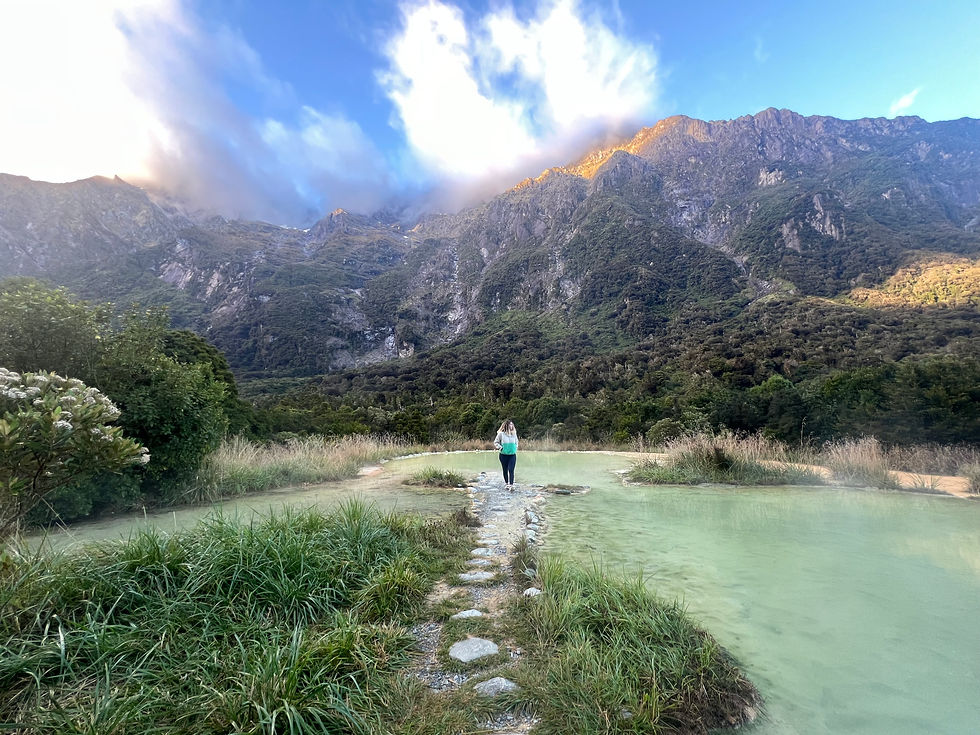
Beaches, mountains, lakes and national parks are easily accessible. Activities such as hiking, skiing, surfing and cycling are part of normal weekly routines.
Cities including Auckland, Wellington and Christchurch offer excellent schools, healthcare systems and cultural amenities. Smaller centres provide community, space and a slower pace of life.
Many dentists report significant improvements in physical and mental health after relocating.
Career progression and flexibility
Dentistry in New Zealand offers flexibility in how careers are structured.
Some dentists choose long term associate roles with excellent income and minimal stress. Others progress into practice ownership, mentoring or clinical leadership roles.
Because the profession is less saturated, progression often feels achievable rather than competitive.
Why dentists who move rarely leave
A common pattern emerges among dentists who relocate to New Zealand.
Many arrive planning to stay for one or two years. A significant number remain permanently.
They stay because dentistry becomes enjoyable again. Because work no longer dominates life. Because the balance finally feels right.
New Zealand does not offer an escape from dentistry. It offers a better version of it.
Is New Zealand the right choice for you?
If you value clinical autonomy, ethical treatment planning, work life balance and long term sustainability, New Zealand deserves serious consideration.
For many UK and Irish dentists, the move represents not a risk but a reset.
Frequently asked questions about working as a dentist in New Zealand
Can UK dentists work in New Zealand?
Yes. UK trained dentists can apply for registration with the Dental Council of New Zealand through a recognised pathway.
Is dentistry in New Zealand better than the NHS?
Many dentists find private practice in New Zealand offers greater autonomy, better work life balance and lower burnout compared to NHS dentistry.
How much do dentists earn in New Zealand?
Earnings vary, but many dentists earn a strong income while working fewer hours than in the UK or Ireland.
Is New Zealand suitable for long term settlement?
Yes. Dentistry is a skilled profession and can support visa and residency options for eligible applicants.
Download the complete guide
This article forms part of a comprehensive relocation guide designed specifically for UK and Irish dentists considering working in New Zealand.
The full guide covers registration timelines, visa options, costs, job selection and relocation planning in detail.


Comments